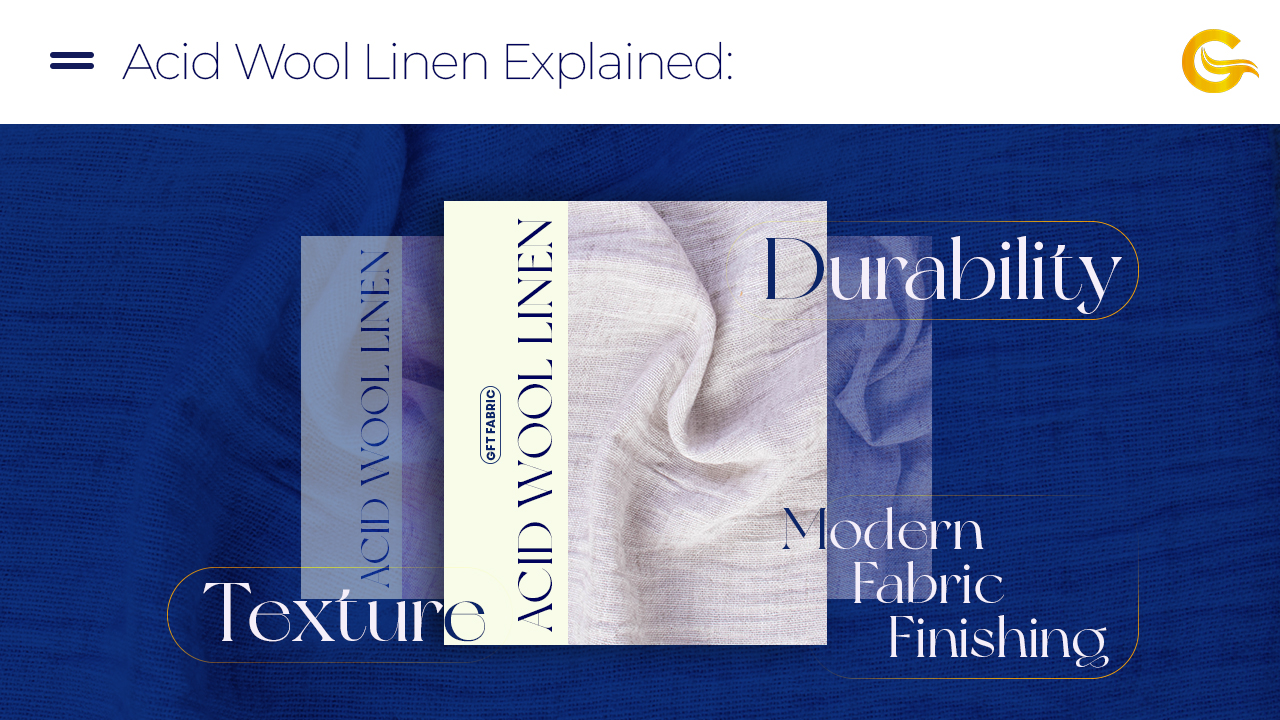
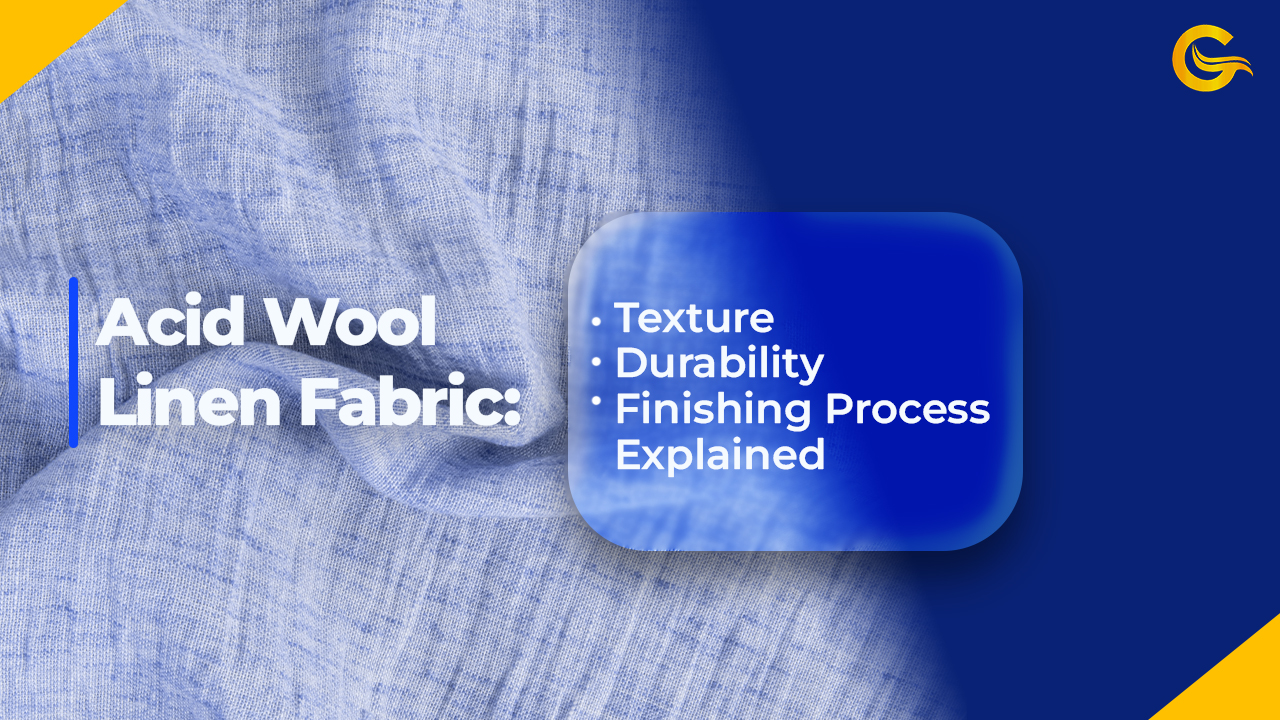
Acid wool linen is a specialty textile created through a controlled finishing process that enhances the surface texture and character of wool–linen blends. The treatment alters the fiber appearance, producing a distinctive visual effect while maintaining the natural strength of the material.
This acid treated wool fabric is valued for its textured finish, improved fabric stability, and premium aesthetic. Designers and textile manufacturers often use this fabric for garments that require both durability and a sophisticated, slightly rugged appearance.
Understanding Acid Wool Linen and Its Fabric Composition
Acid wool linen fabric is produced by blending wool and linen fibers, followed by a finishing technique that modifies the outer surface of the textile. The treatment creates subtle variations in texture and tone that give the fabric a unique character.
The combination of fibers allows the fabric to maintain structural strength while remaining breathable and comfortable. Wool contributes elasticity and wrinkle recovery, while linen provides airflow and moisture absorption.
This balance makes premium wool linen fabric suitable for tailored clothing, fashion garments, and high-end textile applications.
The Acid Wash Wool Linen Finishing Process
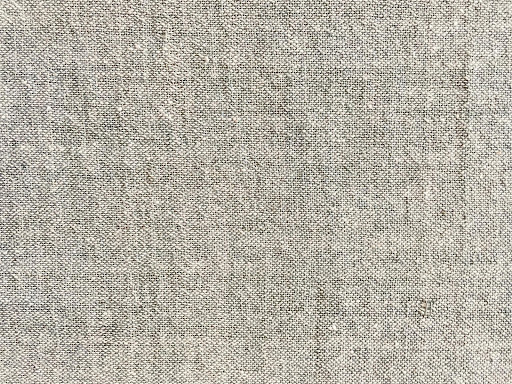
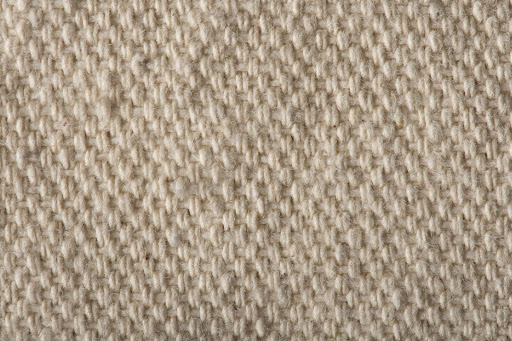
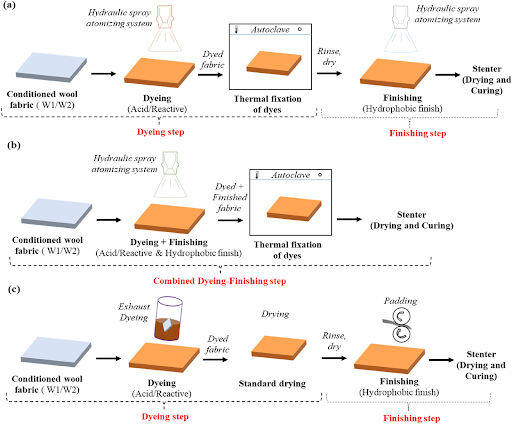
The acid wash wool linen finishing method involves applying controlled chemical treatments to the fabric surface. This process slightly alters the outer fibers, creating a textured appearance without damaging the core structure of the yarn.
The wool linen finishing process is carefully monitored to preserve fiber integrity while enhancing visual depth. The result is a textile with subtle tonal variations and a refined textured surface.
Because the process affects only the outer layer of the fabric, the structural properties of the wool–linen blend remain intact.
Why Acid-Treated Wool Linen Creates Textured Fabrics
The finishing process creates a textured wool fabric that stands out from traditional smooth textiles. The surface gains a slightly irregular pattern that enhances the material’s visual richness.
This texture not only improves the aesthetic appeal of garments but also helps conceal minor wrinkles and fabric creases. As a result, acid-treated wool linen fabrics are often used in fashion pieces that emphasize natural texture and modern styling.
Textured fabrics also add depth to clothing designs, making them popular in contemporary tailoring and fashion collections.
Wool Linen Durability and Performance
One of the main advantages of acid wool linen is its durability. The combination of wool and linen fibers creates a fabric that resists wear while maintaining a breathable structure.
Wool linen durability comes from several factors:
- Wool fibers provide elasticity and resilience
- Linen fibers add tensile strength and durability
- The finishing process enhances surface stability
Because of these qualities, wool linen blends are commonly used for jackets, trousers, and structured garments that require both comfort and longevity.
For businesses sourcing different textile materials, exploring the broader fabric collection offered by Gold Fortune Textile provides access to various fabric types used across the fashion and garment industries.
Gold Fortune Textile Franchise Program: Start a Textile Business in the Philippines
The textile industry in the Philippines continues to expand as fashion design, tailoring services, and small garment businesses grow nationwide. This increasing demand creates opportunities for entrepreneurs interested in fabric retail and wholesale distribution.
Gold Fortune Textile offers a franchise program that allows individuals to enter the textile industry with an established brand, structured support system, and reliable fabric supply network.
Why Invest in a Textile Franchise in the Philippines
Growing Demand for Fabric and Textile Products
Fabric remains an essential material for clothing production, interior design, and upholstery. Tailors, fashion designers, and small garment manufacturers depend on reliable fabric suppliers.
As demand for clothing and custom garments increases, textile retailers continue to serve a growing customer base.
Strong Retail and Wholesale Textile Market
The textile market benefits from both individual buyers and wholesale customers. Fabric stores often cater to designers, uniform manufacturers, and tailoring shops.
This mix of retail and wholesale demand creates a stable business environment for textile entrepreneurs.
Profitable Opportunities in the Fabric Industry
The fabric industry offers multiple revenue streams, including apparel fabrics, upholstery materials, and specialty textiles.
Entrepreneurs entering this sector can diversify product offerings and expand customer segments, increasing profitability.
Why Textile Businesses Perform Well in Local Markets
Textile businesses perform well in local markets because fabrics are essential for daily commercial activities such as tailoring, school uniforms, and fashion production.
Stores located near tailoring hubs or garment districts often experience consistent demand throughout the year.
Entrepreneurs interested in the textile sector can also learn practical strategies from this guide on how to turn your fabric passion into a business.
Why Choose the Gold Fortune Textile Franchise
Established Textile Brand with Proven Track Record
Gold Fortune Textile has developed a strong reputation as a trusted supplier of fabric materials within the Philippine textile industry.
This established brand presence helps franchise partners gain credibility and attract customers more easily.
Direct Access to Quality Fabric Supply
Franchise partners receive access to the company’s textile supply chain, ensuring consistent availability of fabric products.
Reliable sourcing helps maintain inventory levels and support growing customer demand.
Competitive Pricing and Strong Profit Margins
Centralized fabric sourcing allows franchise stores to offer competitive prices while maintaining healthy margins.
This pricing structure helps store owners remain competitive within local textile markets.
Structured Franchise Support System
The franchise program includes operational guidance, product training, and store management support.
These systems help entrepreneurs run their textile store efficiently even if they have limited prior experience in fabric retail.
Gold Fortune Textile Franchise Package Inclusions
Franchise Fee and Initial Investment Overview
The franchise package typically includes the licensing fee, store setup guidance, and access to the company’s textile product inventory.
Investment levels may vary depending on store size and location.
Store Design, Branding, and Setup Assistance
Franchise partners receive assistance with store layout, interior display concepts, and brand identity to create a professional retail environment.
Inventory and Ongoing Product Supply
Gold Fortune Textile ensures continuous fabric supply so franchise stores can maintain product availability and respond to customer demand.
Training and Operations Manual
Training programs introduce franchisees to textile product knowledge, inventory management, and retail operations.
Marketing and Launch Support
Marketing support helps franchise stores build local visibility and attract customers during the opening stage.
Potential investors can explore the company’s physical store presence through the branch directory to better understand its market footprint.
How to Start Your Textile Franchise Business
Step 1 – Submit Your Franchise Application
The process begins by submitting a franchise inquiry with relevant business information for review.
Step 2 – Franchise Evaluation and Approval Process
Applications are evaluated based on investment readiness, location potential, and market opportunity.
Step 3 – Site Selection and Store Setup
Approved franchise partners collaborate with the company to identify suitable store locations and begin the store setup process.
Step 4 – Training and Soft Opening
Operational training prepares franchise owners for store management, customer service, and product knowledge.
A soft opening allows the store team to test operations before the official launch.
Step 5 – Grand Launch of Your Fabric Store
Once preparations are complete, the store officially opens to the public, marking the start of operations in the textile retail market.
Entrepreneurs planning their own sewing or fabric business may also benefit from learning how to measure fabric for your next project like a pro to better understand textile usage and customer needs.