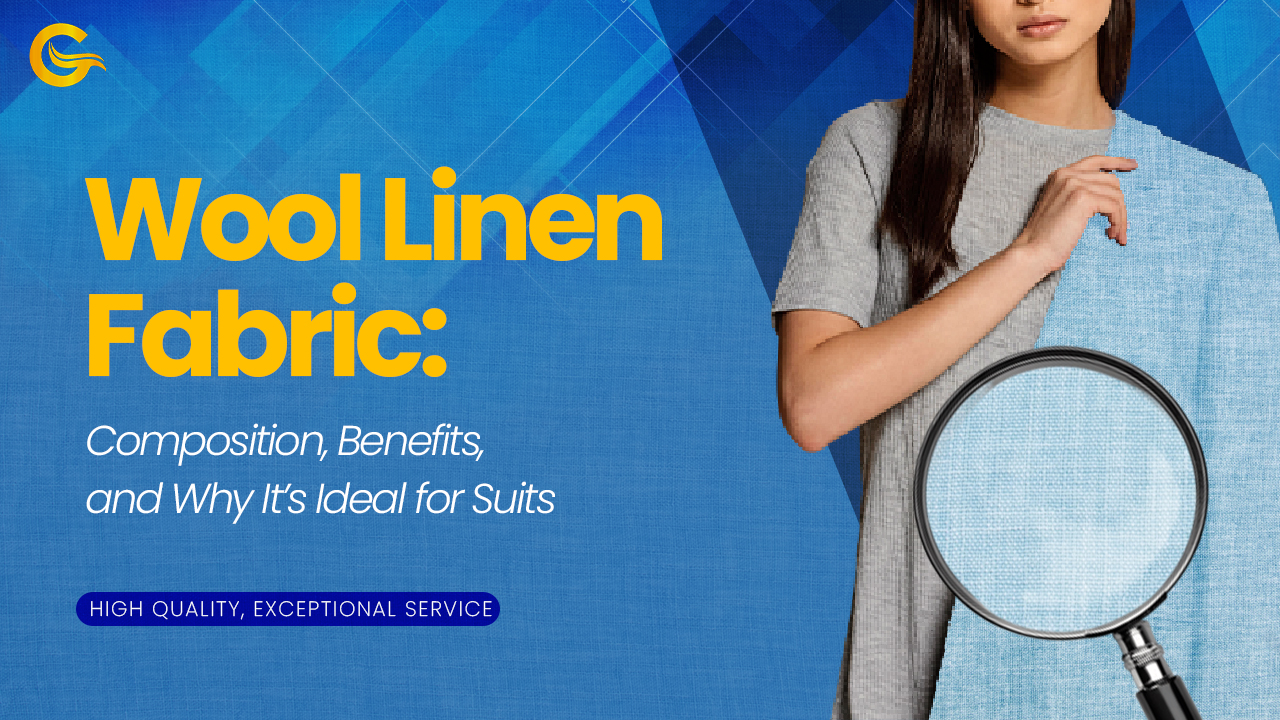
Wool linen fabric combines two natural fibers known for durability, breathability, and comfort. By blending wool and linen, manufacturers create a material that balances structure with airflow, making it suitable for clothing used in warm or transitional climates.
This wool linen blend is widely used in tailored garments, especially suits, because it delivers both elegance and functional performance. Understanding its composition and advantages helps designers, retailers, and textile businesses choose the right material for different applications.
Understanding Wool Linen Fabric and Its Composition
Wool linen material is created by blending wool fibers with linen fibers during yarn production. Each fiber contributes unique properties that enhance the overall fabric performance.
The wool linen composition typically includes:
- Wool for elasticity, insulation, and wrinkle recovery
- Linen for breathability, strength, and moisture absorption
The result is a textile that feels lighter than pure wool while maintaining a refined texture suitable for tailored clothing.
Because both fibers are natural and breathable, the blend allows air circulation while maintaining the structured appearance required for formal garments.
How Wool Linen Blend Improves Fabric Performance
A wool linen blend combines the strengths of two different fibers to improve wearability.
Wool adds flexibility and helps garments retain their shape. Linen contributes durability and improves airflow through the fabric.
Together, they create a balanced material that is comfortable in warmer climates while still maintaining the polished appearance expected from tailored clothing.
Why Wool Linen Is a Breathable Fabric Choice
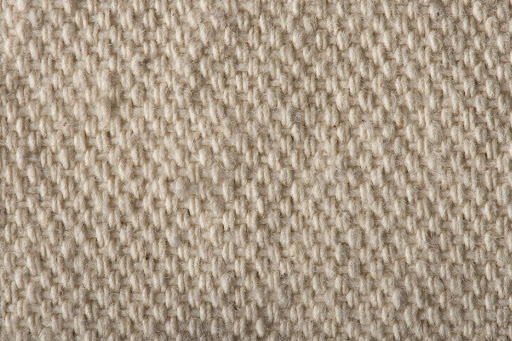
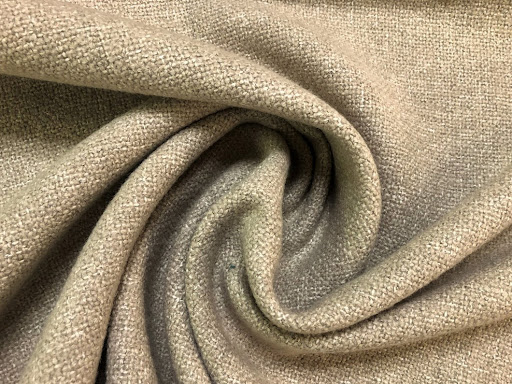
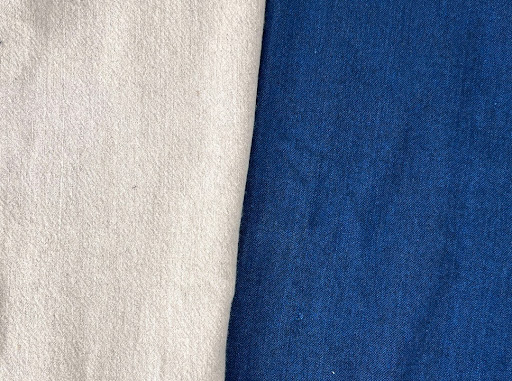
One of the most notable characteristics of wool linen fabric is its breathability. Linen fibers naturally wick moisture and allow heat to escape, while wool helps regulate body temperature.
This combination creates a breathable wool fabric that remains comfortable even during long wear. As a result, wool linen materials are often used for garments worn in tropical or humid environments.
The fabric’s open weave structure also enhances airflow, making it suitable for lightweight tailoring.
Benefits of Wool Linen Fabric
The benefits of wool linen come from the complementary properties of both fibers.
Key advantages include:
- Excellent breathability for warm weather
- Natural moisture absorption
- Strong and durable fiber structure
- Wrinkle resistance compared to pure linen
- Lightweight yet structured appearance
These characteristics make wool linen fabrics ideal for both fashion designers and textile retailers seeking versatile natural fabrics.
Businesses sourcing fabric materials can explore a variety of textile options through the Gold Fortune Textile fabric collection, which includes multiple fabric types used in apparel production.
Why Wool Linen Is Popular for Tailored Suits
Wool Linen for Suits
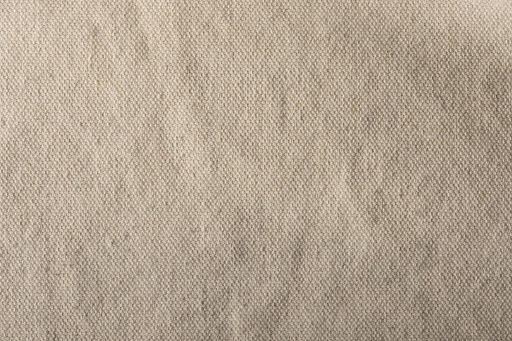
Designers often select wool linen for suits because the fabric maintains structure without becoming heavy or restrictive.
Traditional wool suits can feel warm in tropical climates. Linen suits, on the other hand, may wrinkle easily. The wool-linen blend solves both issues by combining flexibility with breathability.
This balance makes it especially popular in regions with warm climates where formal wear still requires comfort and airflow.
For fashion designers and textile buyers, understanding textile durability and fabric performance is essential. Detailed explanations of quality evaluation can be found in this fabric testing methods guide to textile quality.
Explore the art and science of textiles with our comprehensive blog. Topics cover natural and synthetic fibers, sustainable practices, history, and practical care tips.
Stay current with timely updates on industry trends, including emerging color palettes, innovative technologies, patterns, and textures. Key areas include Fabric Fundamentals (weave, knit, treatments), Sustainability and Ethics (organic, recycled, sourcing),
Fashion and Design (fabric manipulation), and Care and Maintenance (washing, storage). Expand your textile knowledge.