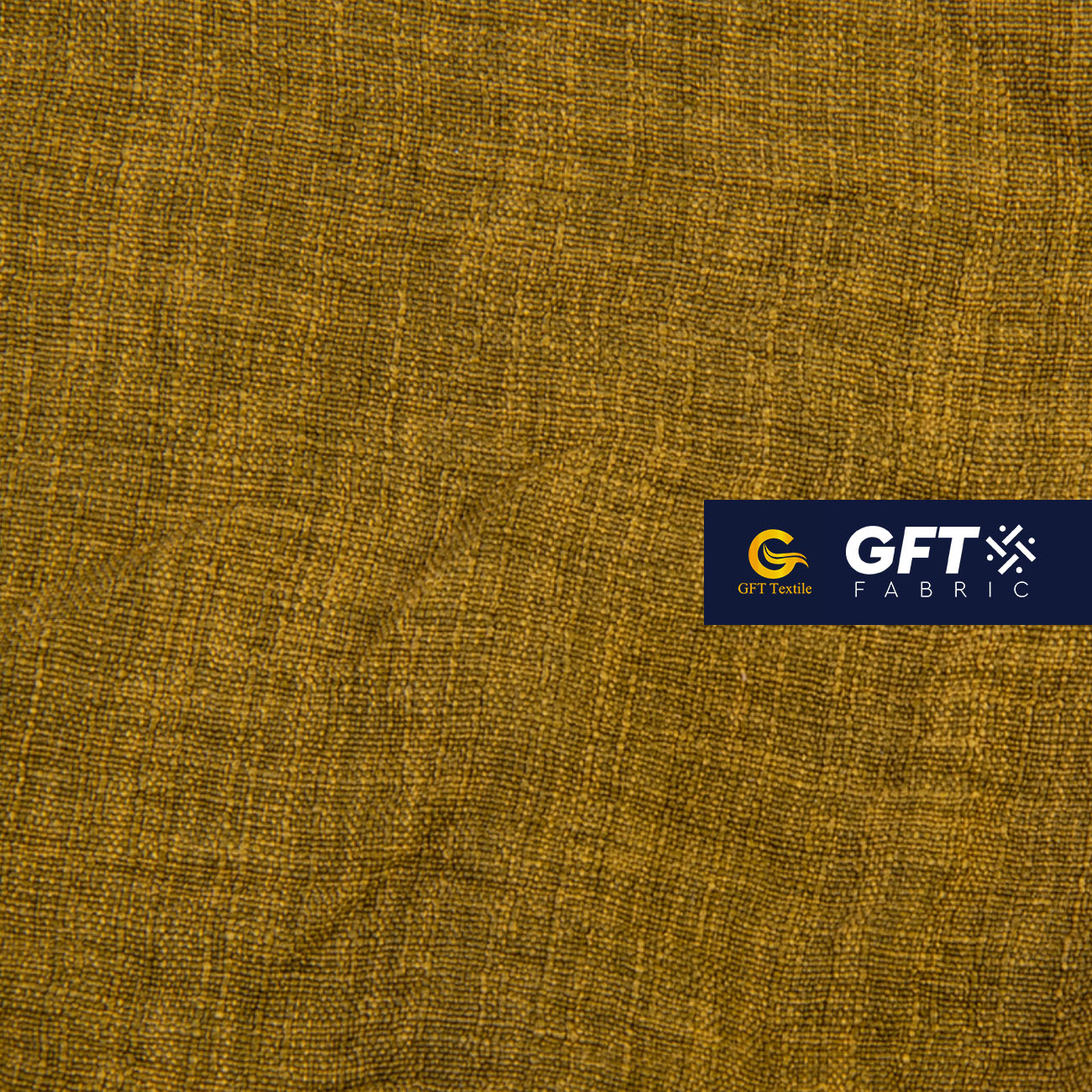
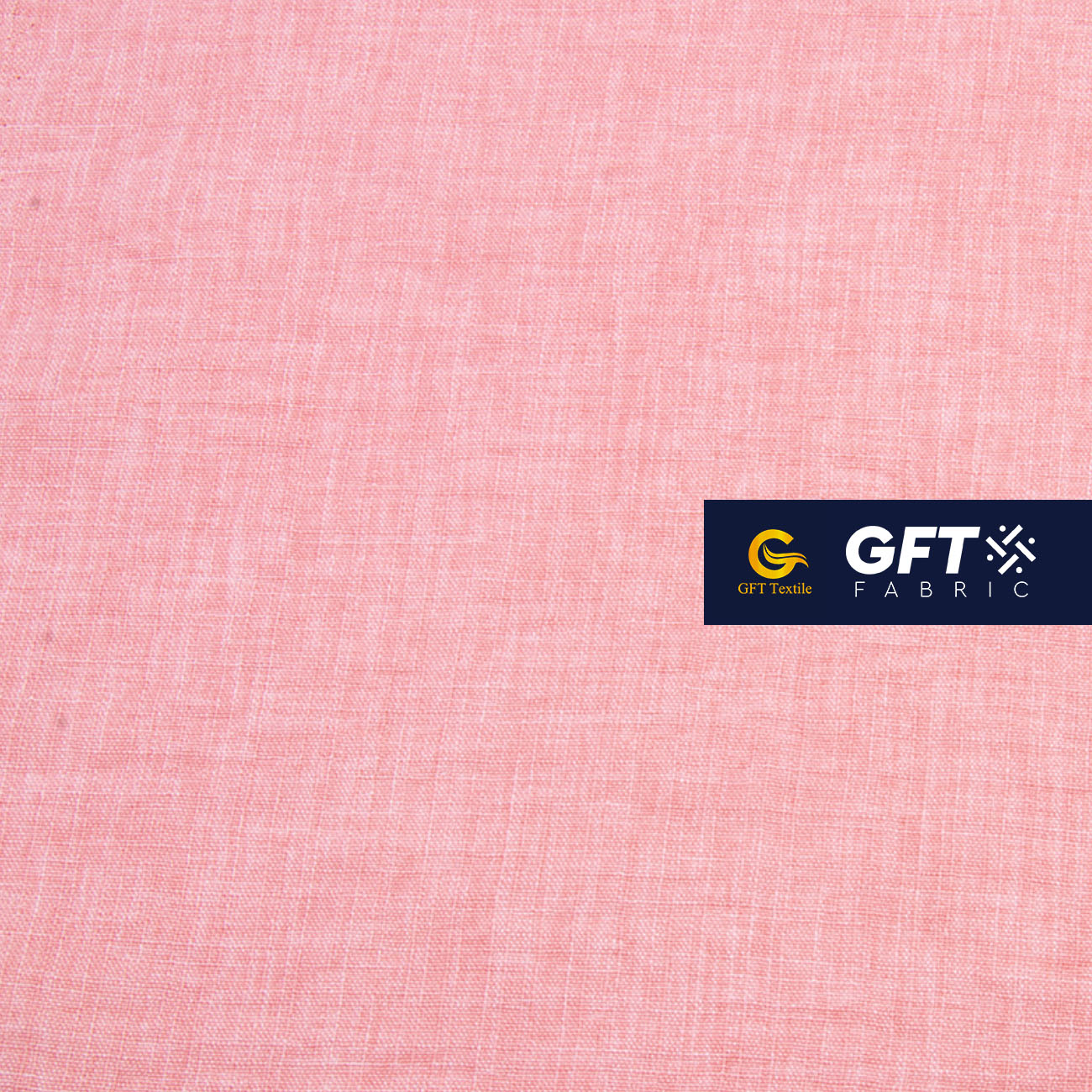
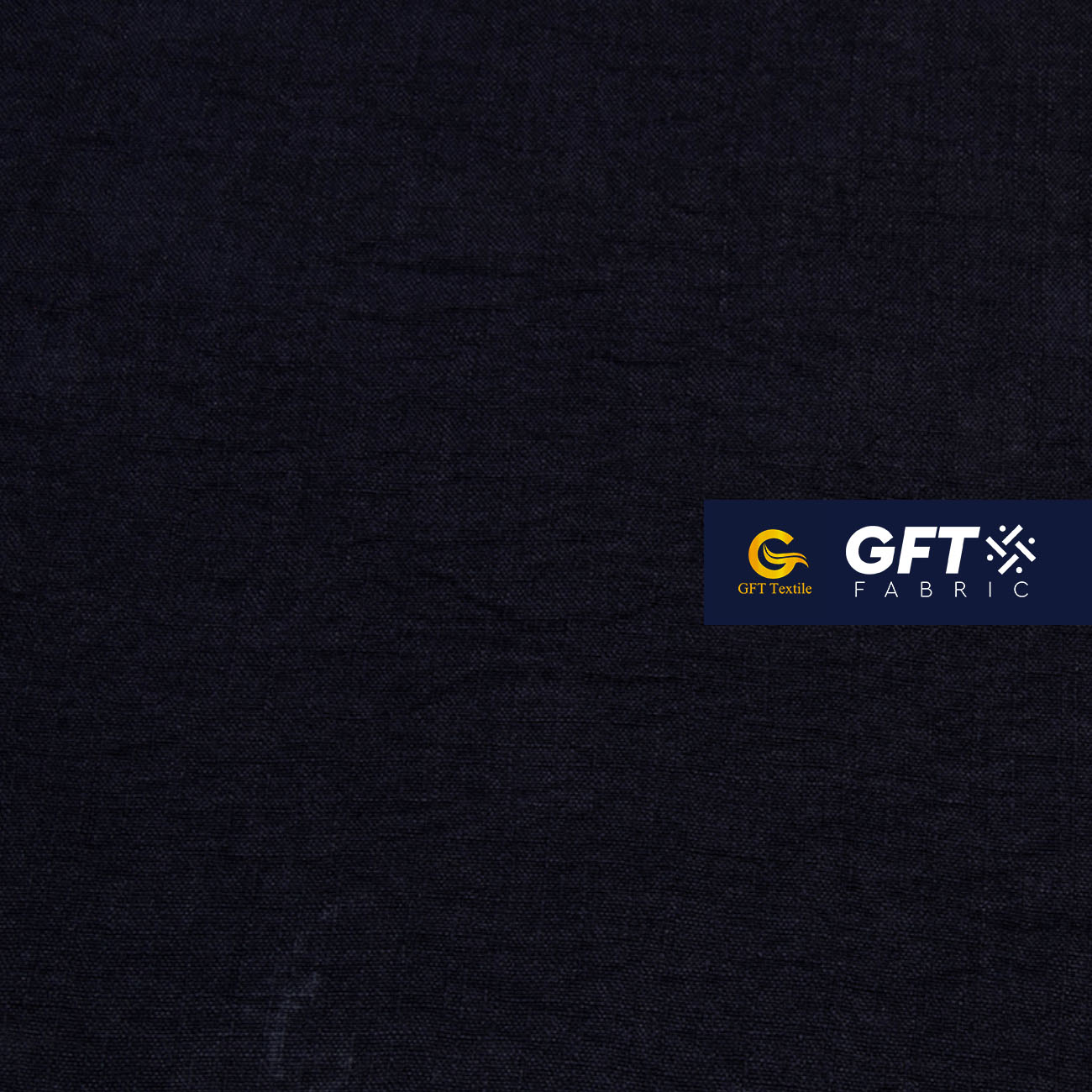
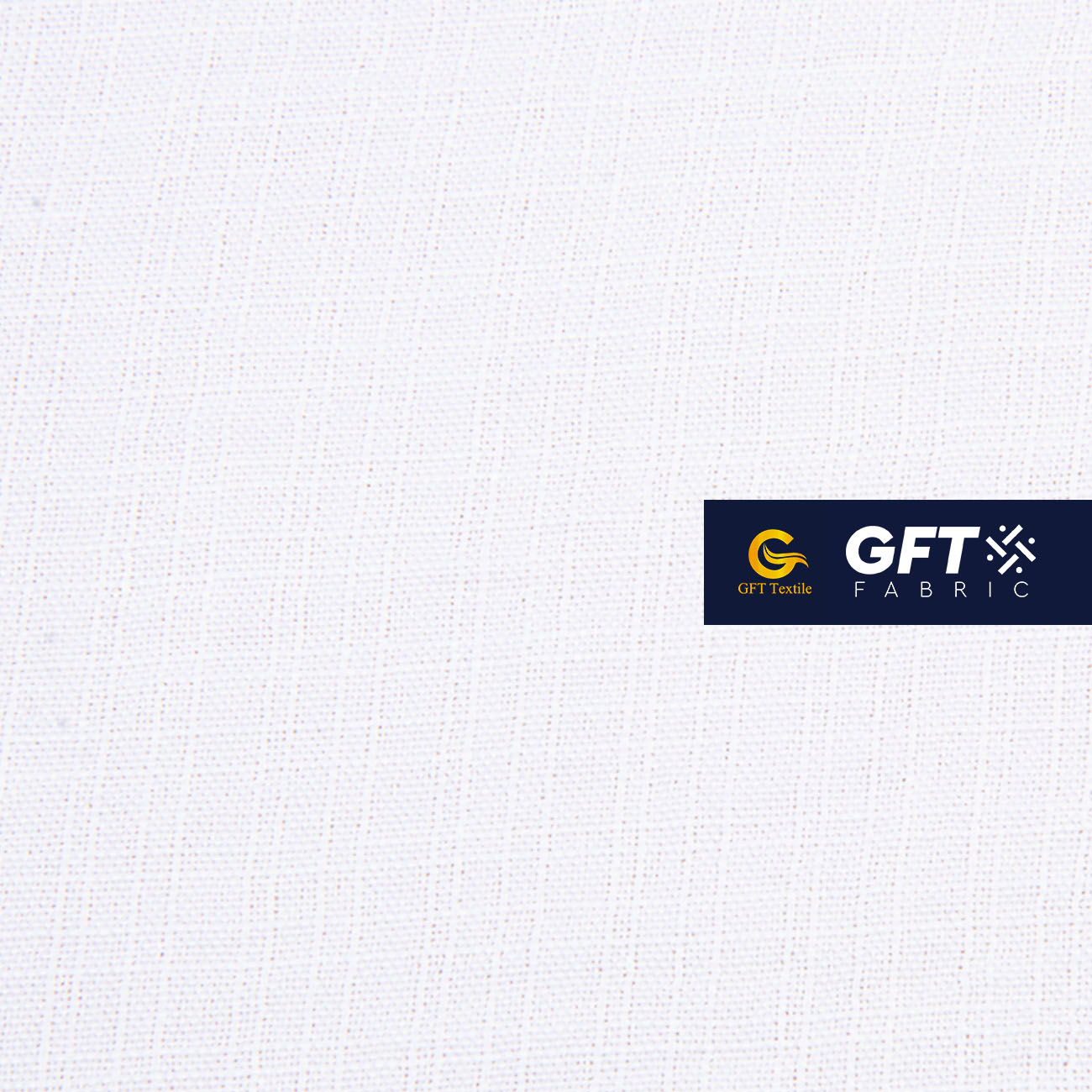
Wool Linen
₱230.00
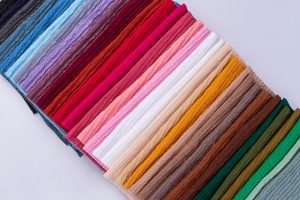
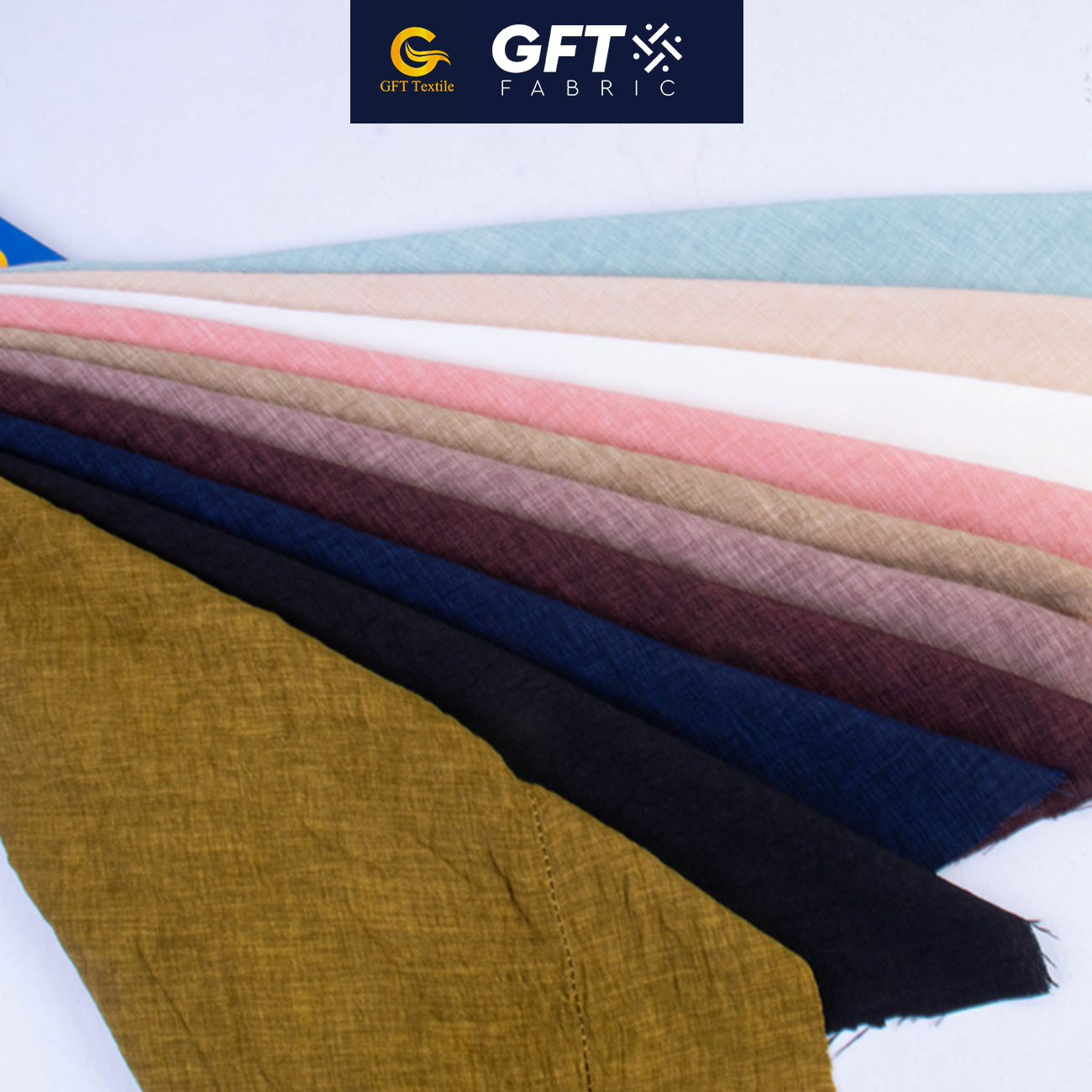
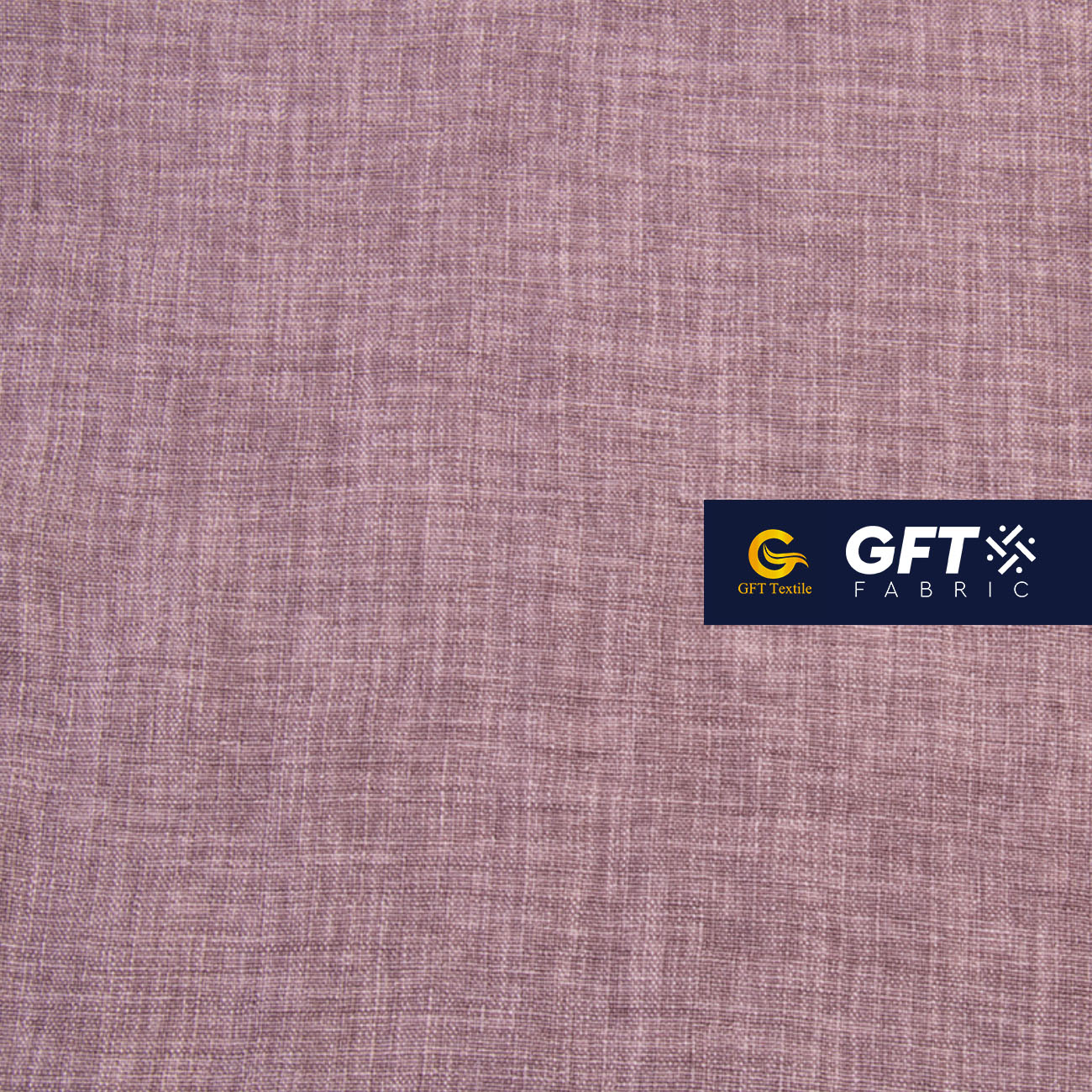
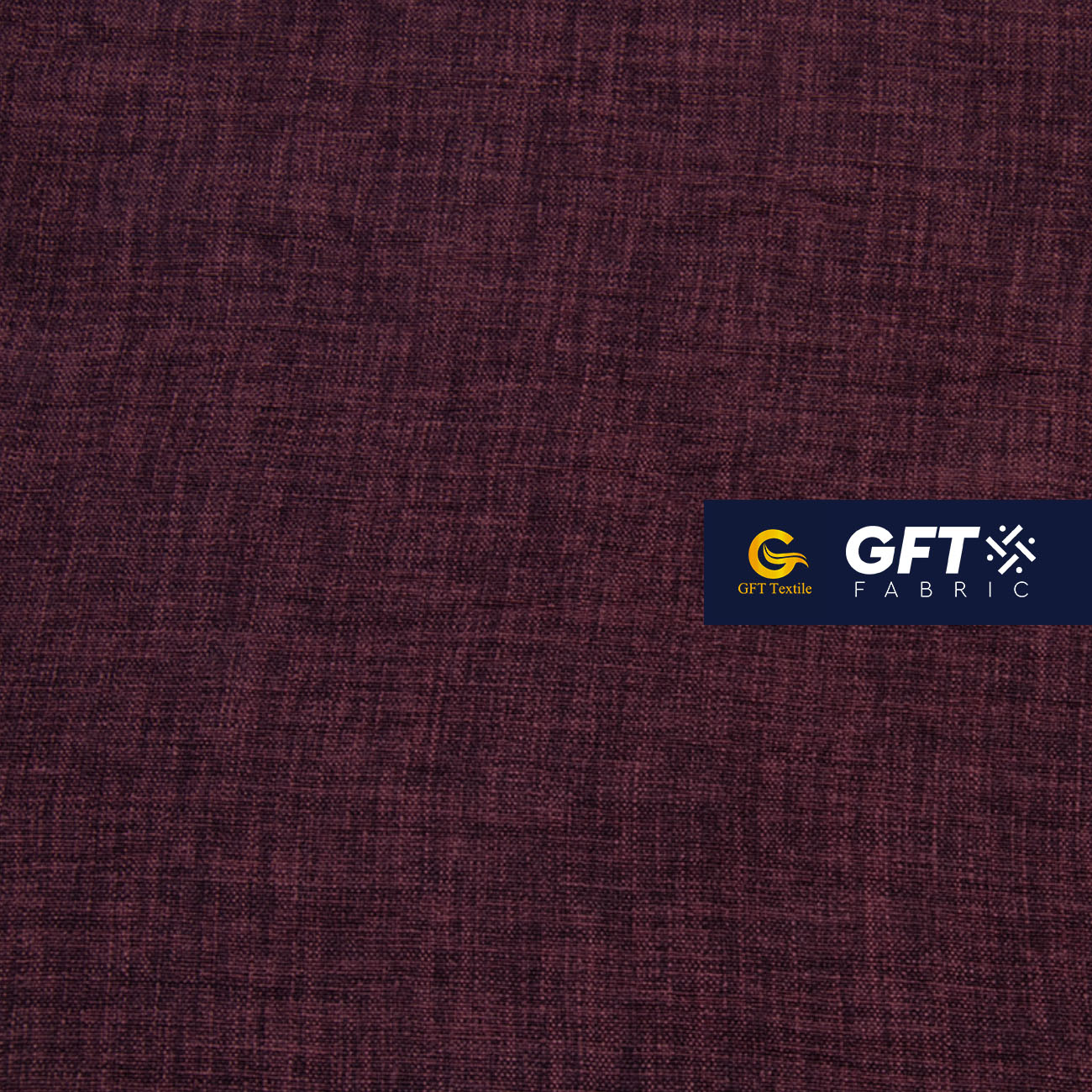
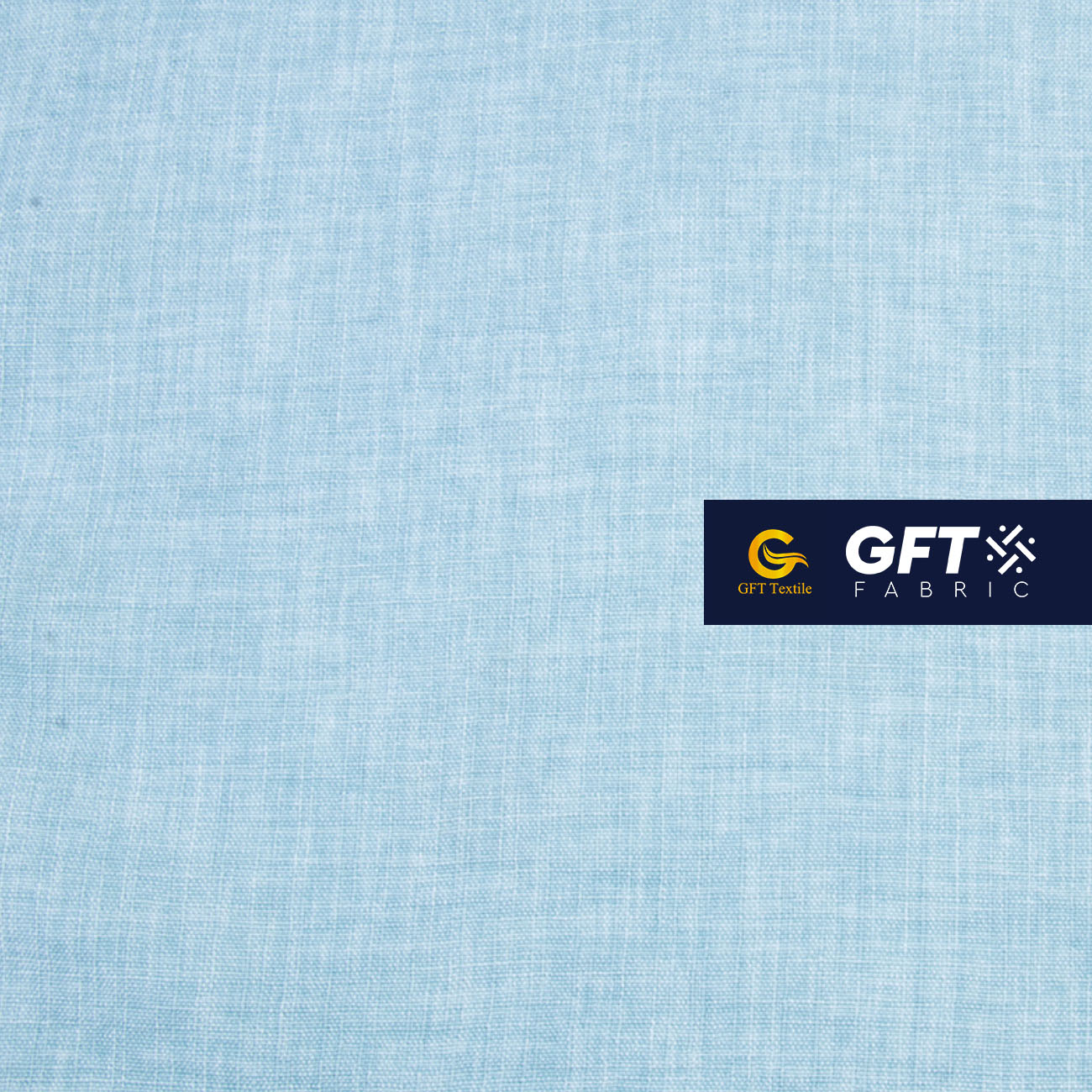
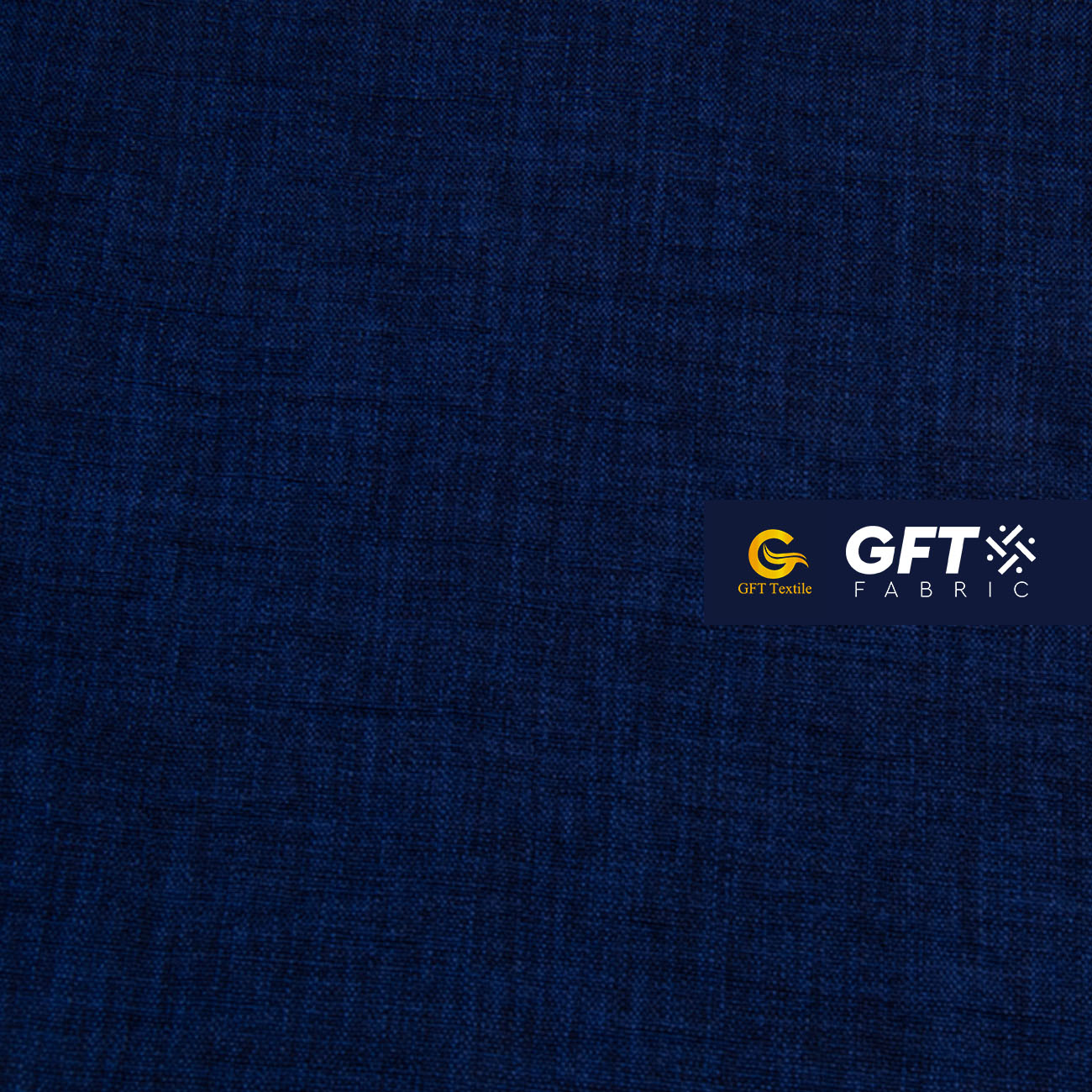
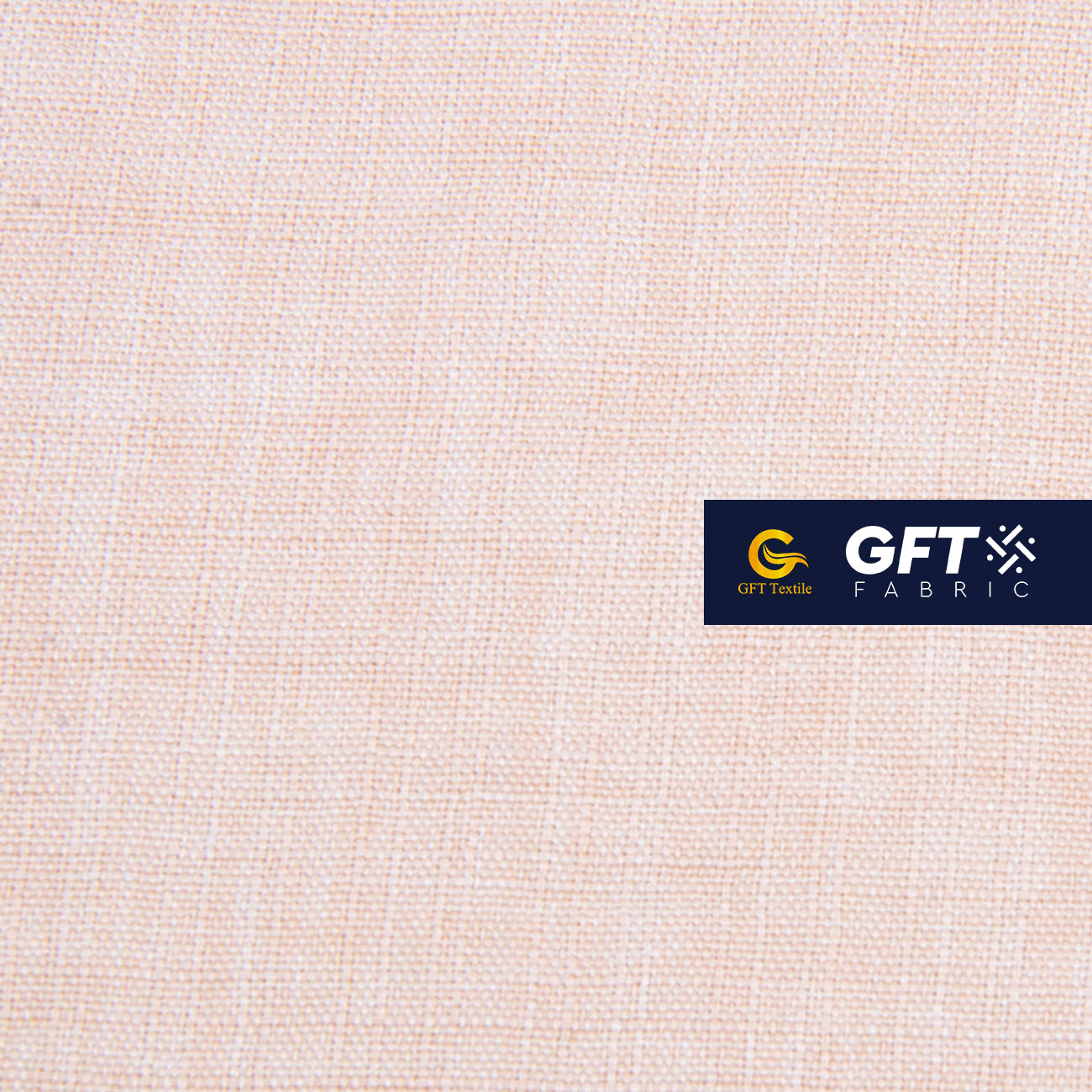
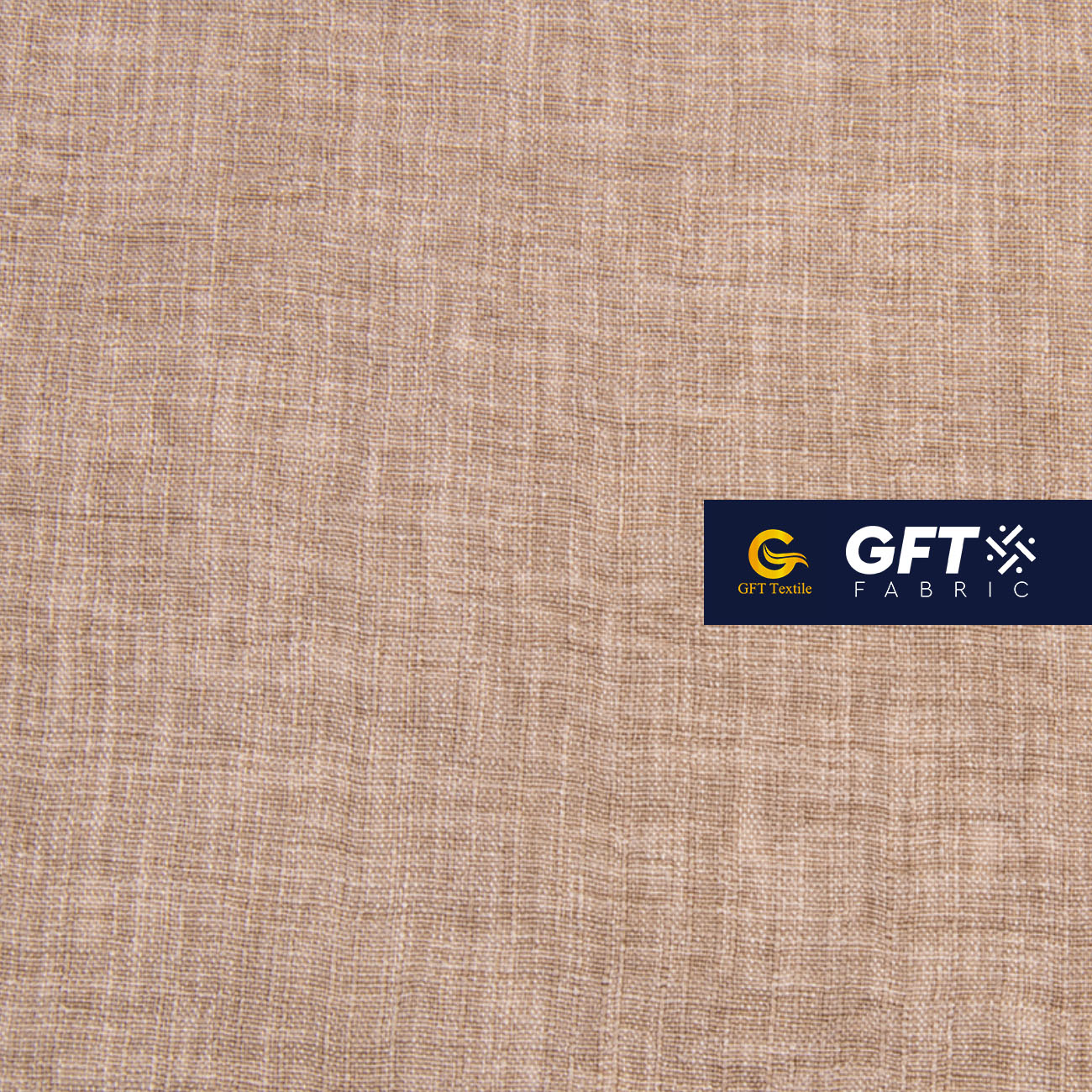
Wool Linen is a lightweight blend of wool and linen with a smooth texture, subtle drape, and natural appearance. Its balanced feel makes it a refined choice for sophisticated apparel, tailored pieces, and designs that call for understated texture and an elegant finish.
* Best for tailored garments that benefit from a smooth texture and refined drape.
* Best for designers seeking a lightweight wool-linen blend with a natural appearance.
* Ideal for jackets, trousers, skirts, dresses, and other polished apparel designs.
* Suitable for boutique collections and sewing projects that favor understated, sophisticated fabrics.
Wool Linen is a smooth, lightweight blend of wool and linen fibers that combines softness with subtle structure. It features a natural texture and gentle drape, offering both comfort and an elegant appearance. Breathable yet durable, this fabric maintains its shape well and is ideal for garments that require a refined, professional look while remaining comfortable to wear. Its high-quality weave ensures longevity and a polished finish for various semi-formal and fashion applications.
Wool Linen is well suited to fashion and apparel businesses creating refined garments for boutique, professional, and premium clothing markets. Tailoring houses, fashion designers, boutique labels, garment manufacturers, and dressmaking studios can use this wool-linen blend for coordinated collections and elevated everyday apparel. Its combination of wool and linen gives designers a natural textile character that can complement minimalist, classic, or contemporary styling without relying on heavy surface decoration.
Commercial applications may include tailored jackets, trousers, skirts, dresses, vests, lightweight suit separates, and selected seasonal apparel, depending on the fabric’s actual weight and construction. Businesses sourcing natural-fiber textiles can browse GFT Textile’s fabric collection when comparing materials for different garment requirements. For larger production needs, buyers can also contact GFT Textile to confirm available specifications, pricing, and ordering details.
Wool Linen requires careful handling because wool and linen can respond differently to water, heat, friction, and agitation. Follow the product care label first and, where washing is permitted, use cool water, a mild detergent, and a gentle cycle or appropriate hand-washing method. Avoid chlorine bleach, harsh chemicals, vigorous scrubbing, and prolonged soaking. Do not wring the fabric aggressively, as excessive manipulation can contribute to distortion or affect its natural drape.
Air drying is preferable, with garments laid flat when appropriate and kept away from direct sunlight and strong heat. Avoid high-temperature tumble drying unless specifically permitted by the care instructions. For ironing, use low to moderate heat suitable for wool and linen and press from the reverse side or through a protective cloth. Store clean and completely dry fabric in a cool, dry, well-ventilated area, folded neatly to help prevent unnecessary stretching.
Frequently Asked Questions
What is Wool Linen used for?
Wool Linen is primarily used for refined apparel and tailored fashion applications. It can be considered for jackets, trousers, skirts, dresses, vests, coordinated separates, and other garments where a natural textile appearance is desirable. Its suitability for a specific garment depends on factors such as fabric weight, drape, construction, and the level of structure required by the design.
Which industries commonly use Wool Linen?
Wool Linen is relevant to fashion brands, tailoring businesses, boutique clothing retailers, garment manufacturers, and professional dressmaking studios. These businesses can use wool-linen fabrics when developing collections that require a sophisticated natural appearance and versatile styling. It can also be suitable for small-batch and made-to-order apparel where fabric character plays an important role in the finished garment.
Is Wool Linen suitable for summer clothing?
Wool Linen can be considered for warm-weather and transitional apparel because linen is known for its airflow, while wool can contribute to temperature regulation. However, actual comfort depends on the blend ratio, weave, fabric weight, and construction. Buyers selecting Wool Linen for summer garments should evaluate the specific fabric sample and specifications rather than relying on fiber content alone.
Does Wool Linen stretch?
Wool Linen should not be expected to have significant stretch unless the specific fabric construction incorporates an elastic component. Standard woven wool-linen fabrics generally provide limited natural elasticity compared with dedicated stretch textiles. If a garment requires substantial flexibility or recovery, buyers should confirm the product specifications and test a sample before production to ensure it meets the pattern’s requirements.
Is Wool Linen breathable?
Yes, linen generally contributes breathability and airflow, while wool can provide useful moisture and temperature-regulating properties. However, the finished fabric’s breathability is also influenced by its fiber ratio, weave density, weight, and construction. For garments intended for warm or humid conditions, testing a sample can help determine whether the specific Wool Linen fabric provides the desired level of comfort.
Is Wool Linen durable for apparel production?
Wool Linen can provide good service when properly selected and maintained, but its durability depends on fiber quality, blend ratio, yarn construction, weave, fabric weight, garment workmanship, and care. Both wool and linen require appropriate handling to minimize premature wear. For commercial apparel production, testing a sample through sewing, pressing, cleaning, and expected wear conditions is recommended before larger-scale manufacturing.
Can Wool Linen be dyed or printed?
Wool Linen may be suitable for dyeing or certain printing processes, but the appropriate method depends on its fiber composition, existing coloration, finishing, and the desired result. Because wool and linen can require different processing conditions, customization should be evaluated carefully. Buyers seeking specific colors or surface treatments should confirm available options and technical suitability with GFT Textile before ordering.
Is Wool Linen suitable for wholesale or bulk orders?
Wool Linen can be considered by commercial buyers sourcing fabric for fashion collections, tailoring, boutique apparel, and garment manufacturing. Wholesale suitability depends on current inventory, roll quantities, specifications, and production requirements. Businesses planning a larger purchase should contact GFT Textile to confirm current availability, pricing, minimum quantities, and ordering requirements before committing to production.